
PRODUCTS Discover the tools you need for your creative work
.png)
.png)
.png)
.png)
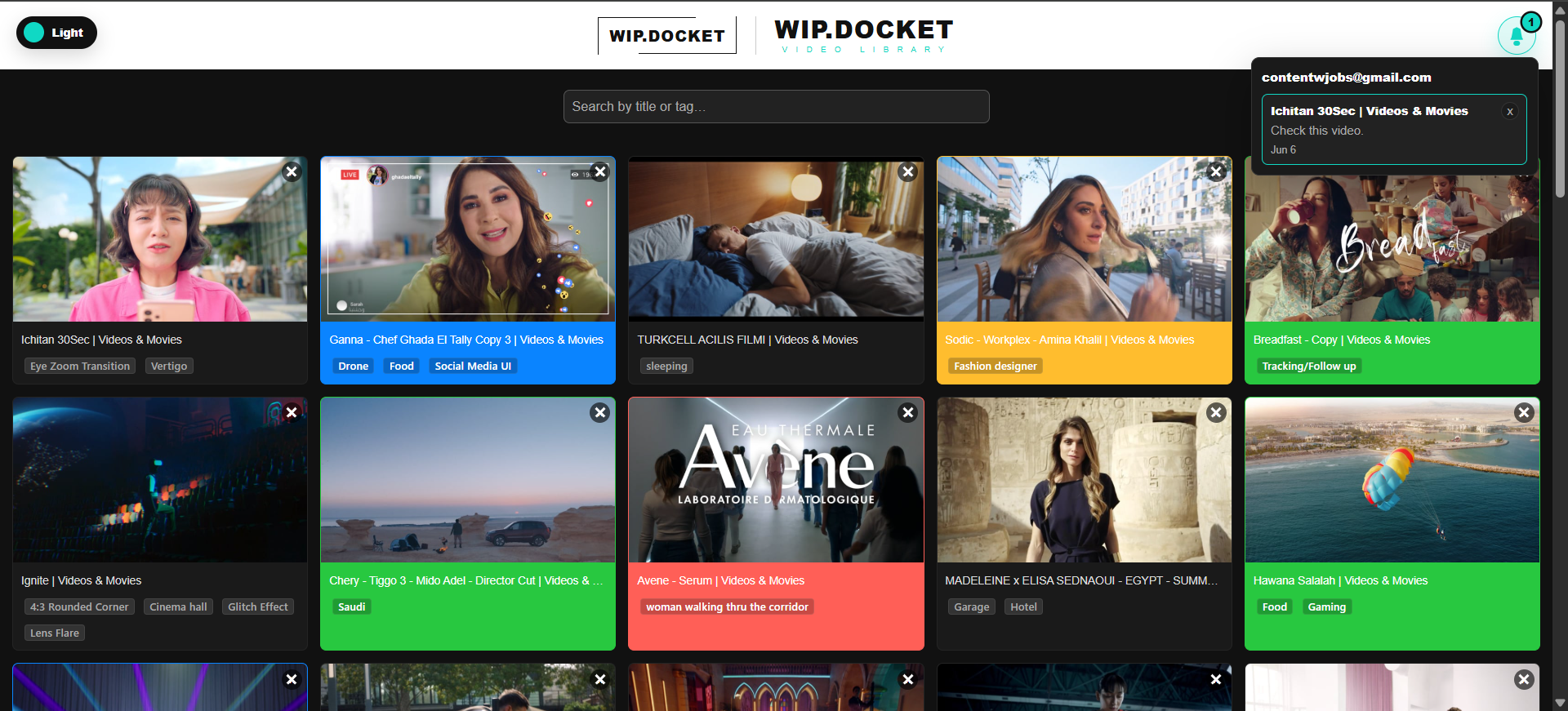
WIP.DOCKET - Video Library
BUILT FOR
TVC directors, Visual Researcher, Assistant, etc.
Save Vimeo references, tag useful ideas, and build a searchable visual library. Read more...
.png)
.png)
.png)
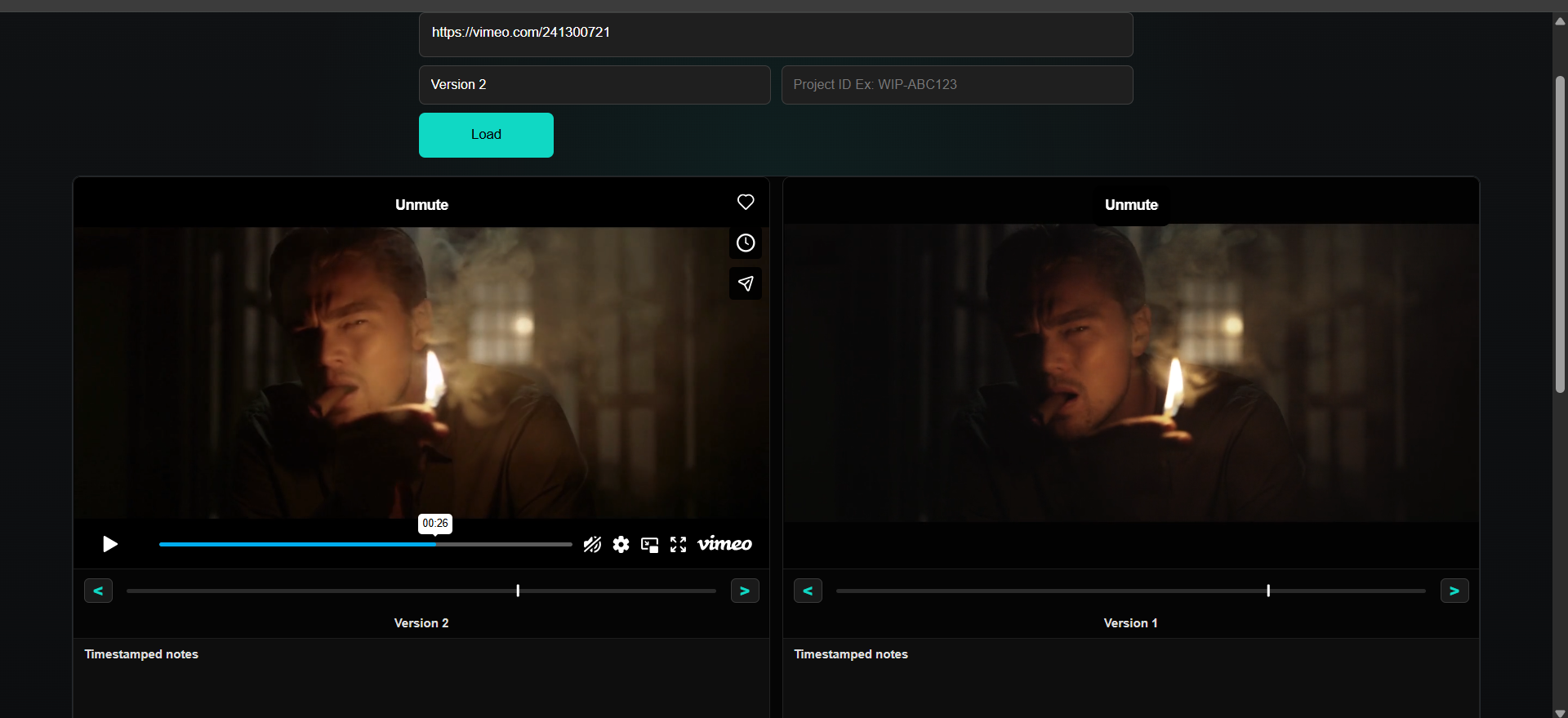
WIP.DOCKET - Timestamp Note
BUILT FOR
Producer, Agency, Editor, Colorist, etc.
Add precise time-coded notes, replies, and resolved status to every video review. Read more...
.png)
.png)
.png)
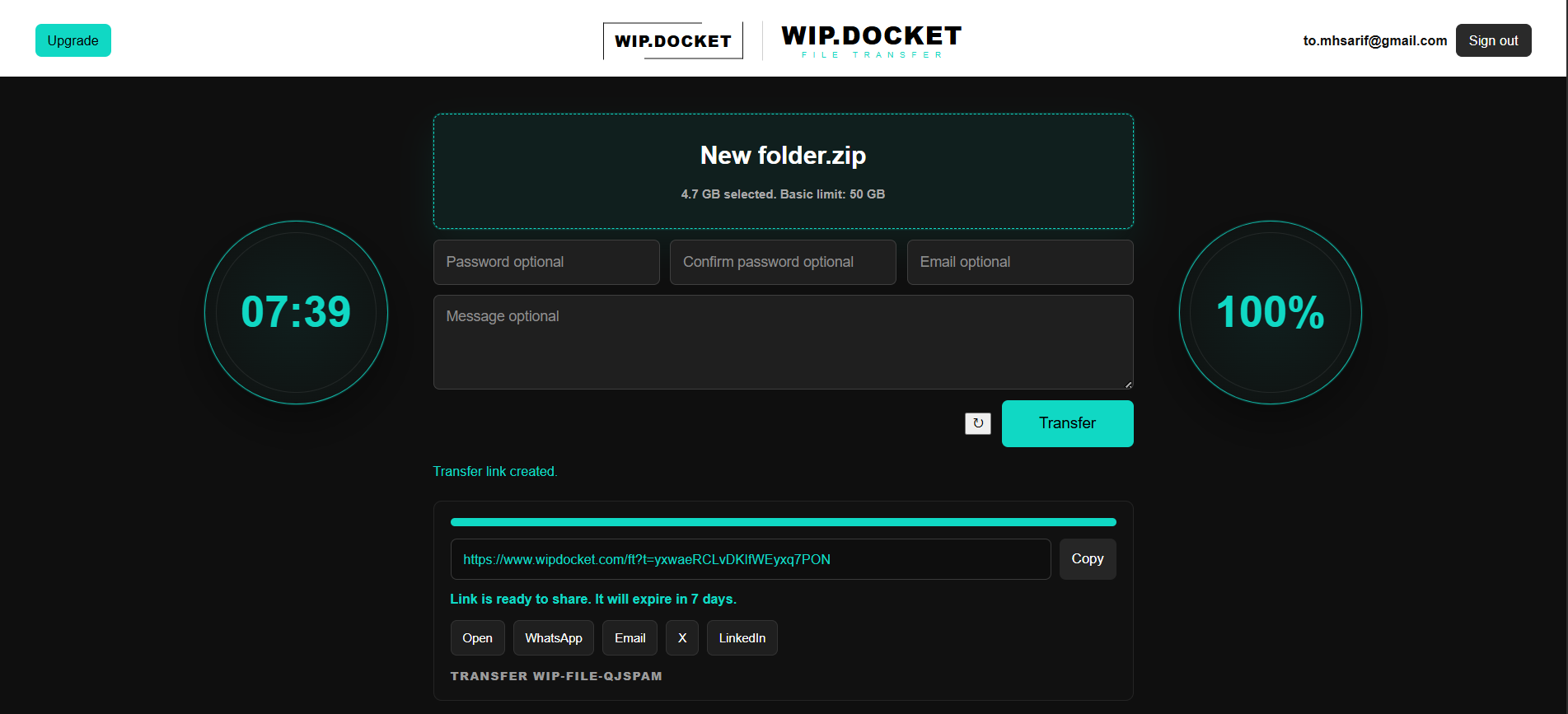
WIP.DOCKET - File Transfer
BUILT FOR
All film making professionals.
Send review files faster with a clean, secure first delivery flow. Read more...
Presentation workflow
Treatment Builder
Directors, agencies, producers, and creative teams.
Shape references, direction, tone, and production thinking into clear commercial treatments. Read more...
ABOUT WIP.DOCKET is a creative SaaS suite built to solve daily production problems.
WIP.DOCKET is a creative SaaS suite built to solve the daily problems filmmakers, directors, producers, editors, agencies, visual researchers, and creative teams face while moving through real production work.
Here, you will discover tools designed for the practical problems of creative work. Whether you are building a treatment under a deadline, collecting agency feedback on a first cut, finding a two-year-old ad reference, or organizing countless commercials for future use, WIP.DOCKET gives you the right solution for the problem. It turns everyday production problems into focused creative tools that make the workflow easier, faster, and more organized.
Each product is built around one practical problem in the creative process.
Together, these tools form a practical creative platform for the work between idea, review, delivery, and presentation. WIP.DOCKET is built to reduce friction, save time, and help creative teams move faster toward their deadlines.
Video Library
WIP.DOCKET Video Library helps directors and visual researchers save, tag, organize, and find visual references when they need the right idea quickly. Read more...
Timestamp Notes
WIP.DOCKET Timestamp Note helps producers, agencies, editors, colorists, and review teams keep feedback attached to the exact moment in a video, so decisions stay clear and nothing gets lost in scattered messages. Read more...
File Transfer
WIP.DOCKET File Transfer helps creative professionals send files faster, so review files can reach the next person without slowing down the work. Read more...
Treatment Builder
WIP.DOCKET Treatment Builder supports the pitch and presentation process by helping shape references, direction, tone, and creative thinking into clearer treatment structures. Read more...
PRICING
All WIP.DOCKET products come with zero initial charges. Start by using the tool, understand how it fits into your workflow, and upgrade only when you need more access.
We support both international and local payment options, including PayPal, Wise, Payoneer, international cards, and UPI. For exact pricing details, please check each product page or click the upgrade option inside the product interface. It will take you to the relevant payment page for that product.
Our payment terms are simple and straightforward. If the product does not work for you, no problem. You can request a refund according to the product's refund policy.
Please note that each WIP.DOCKET product has its own terms, conditions, limits, and payment rules. For more details, contact us.